
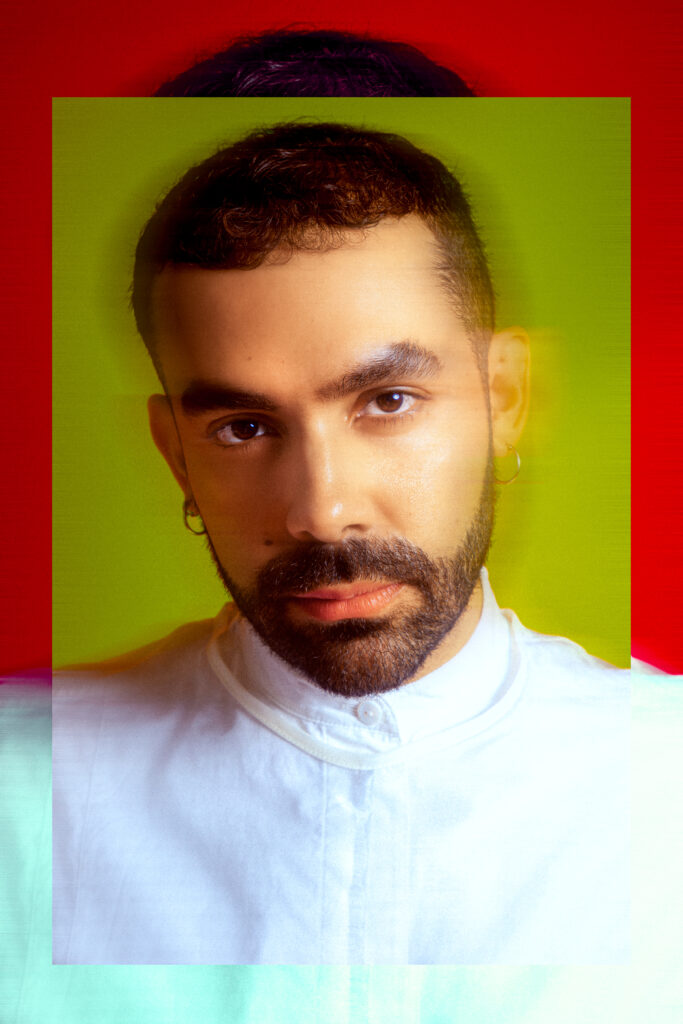
A few months ago, I had the opportunity to meet the talented Mexican fashion designer Guillermo Jester, and ever since, I had wanted to interview him for the blog. Thank you so much, Guillermo, for taking the time to share your story with me and with the readers of Pancakes and Mimosas.
Beca: Tell us about your beginnings. When did you realize you wanted to become a fashion designer?
Guillermo: I think design has always been part of my life, even before I knew it existed as a profession. My mother was a pattern maker and designed clothing as a hobby, and my grandfather used to make costumes for our school festivals when we were children. I grew up surrounded by fabrics, sewing machines, patterns, and garment construction.
From a very young age, I loved making things with my hands. I remember spending hours creating paper dresses for my Barbie dolls, drawing, and looking for any excuse to create. I always had this need to imagine objects and bring them to life.
It wasn’t until I started university that I realized this curiosity could become my career. That’s when I decided to study fashion design, and ever since, I’ve been working to develop my own creative language, where design becomes a tool for telling stories and connecting people.
Beca: If you could describe your design style in three words, what would they be?
Guillermo: Experimental, architectural, and timeless.
I’ve always said that the part of design I enjoy the most is construction. Of course, I master traditional pattern making, but I rarely start from there. I’m interested in developing my own methodologies, experimenting with how a garment is born from the pattern, and discovering new ways to build a silhouette.
Obvious solutions bore me. I like designing versatile garments that can be worn in different ways and encourage the wearer to make them their own. If a piece can transform and offer three or four different styling possibilities, I feel it remains alive long after it leaves the studio.
Beca: What does your creative process look like when developing a collection?
Guillermo: It always begins long before I sketch a garment.
First, I research a concept that may emerge from an emotion, an everyday object, an artisanal technique, or even a conversation. Then I translate that idea into materials, colors, textures, and shapes.
From there, experimentation begins. I test different pattern-making techniques, build prototypes, and allow the materials themselves to suggest solutions. It’s a very intuitive process, where some of the best ideas appear while I’m actually constructing the garment.
When I collaborate with artisan communities, the process becomes even richer because design turns into a dialogue in which both sides contribute knowledge and learn from one another.
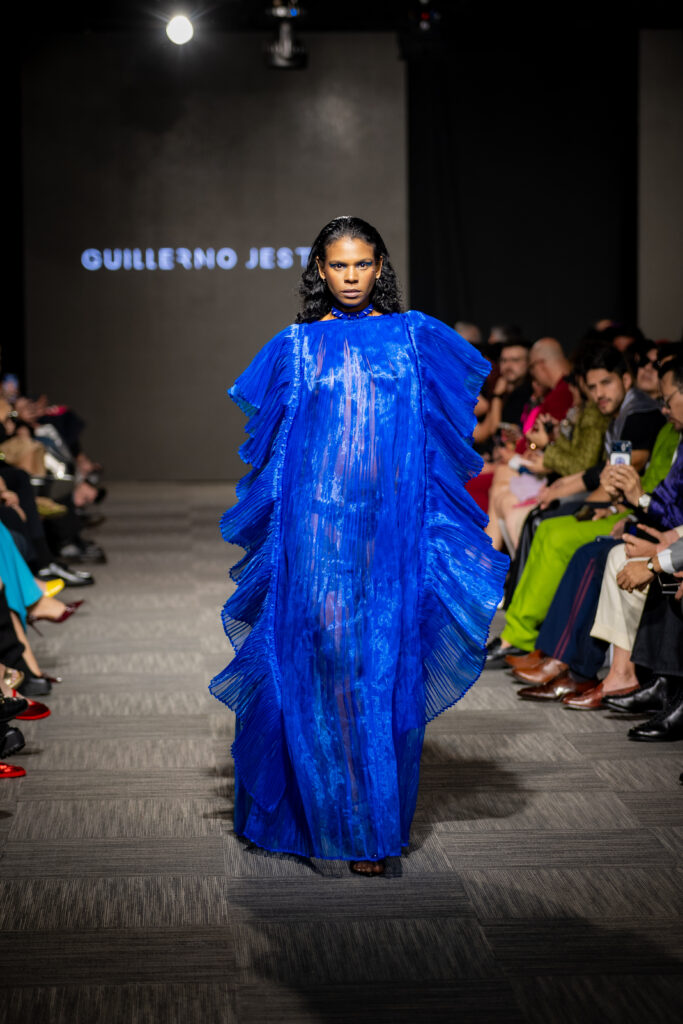
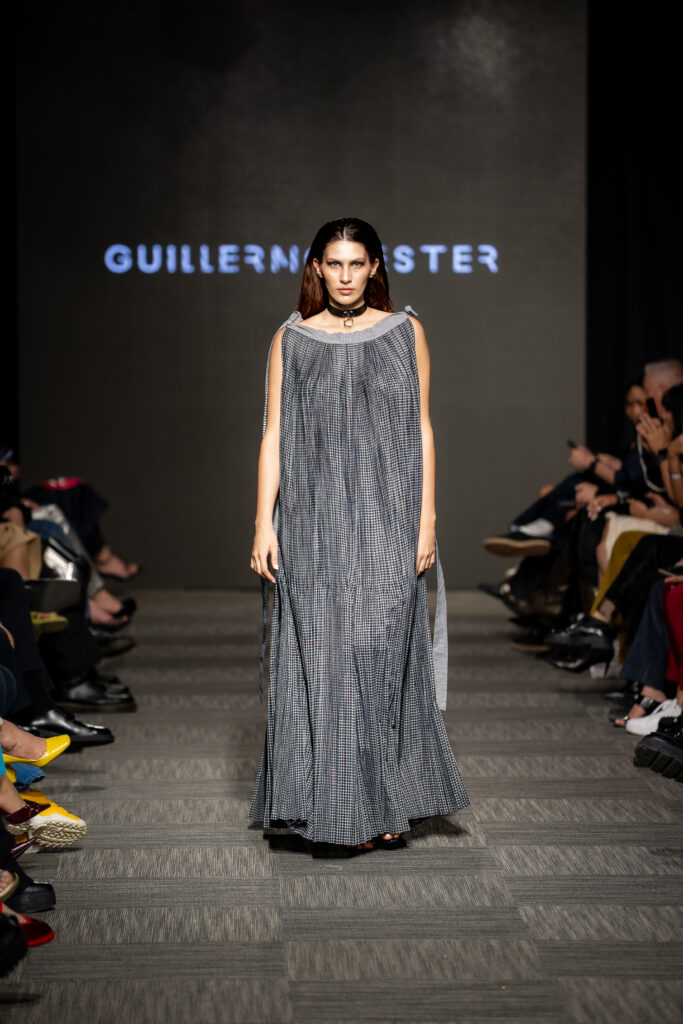
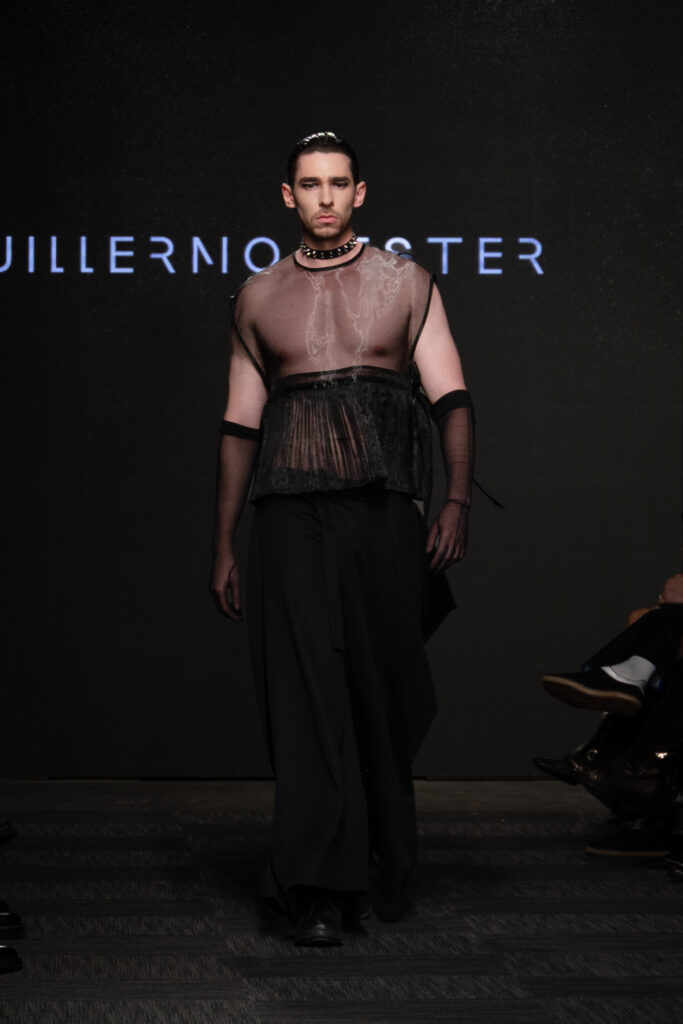
Beca: Tell us about your latest collection and the inspiration behind it.
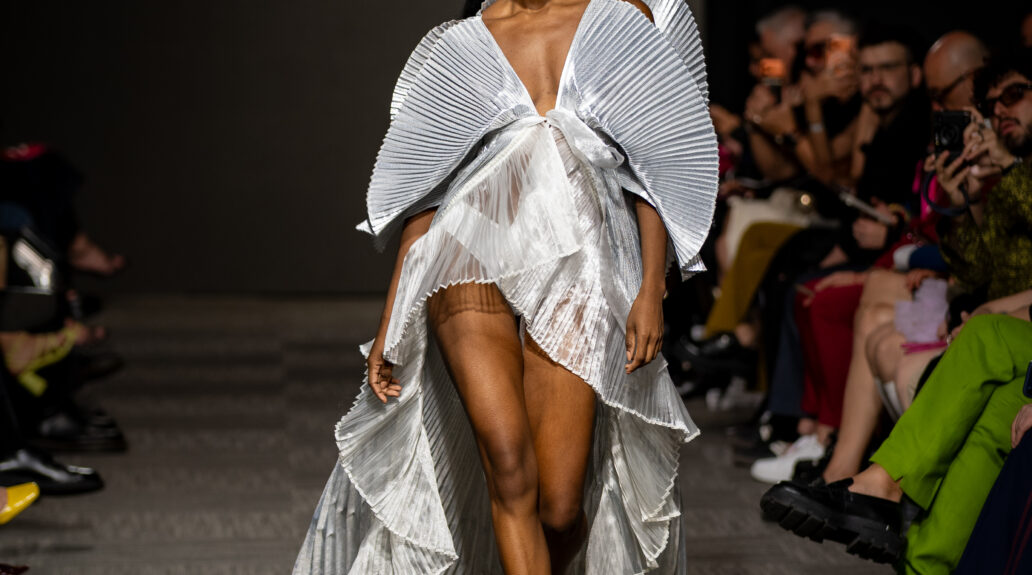
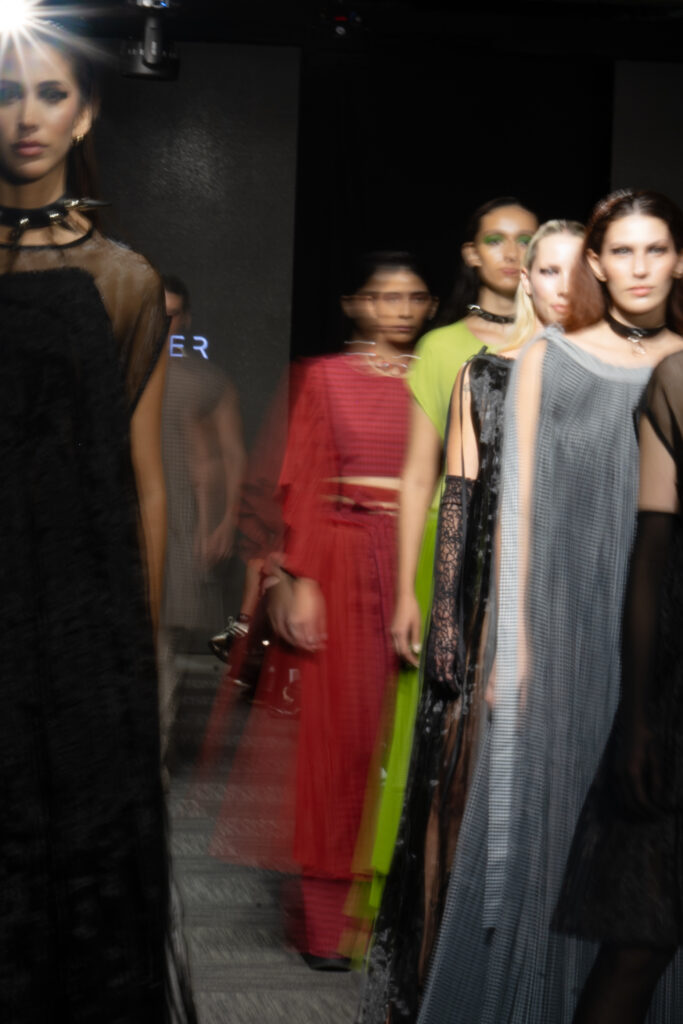
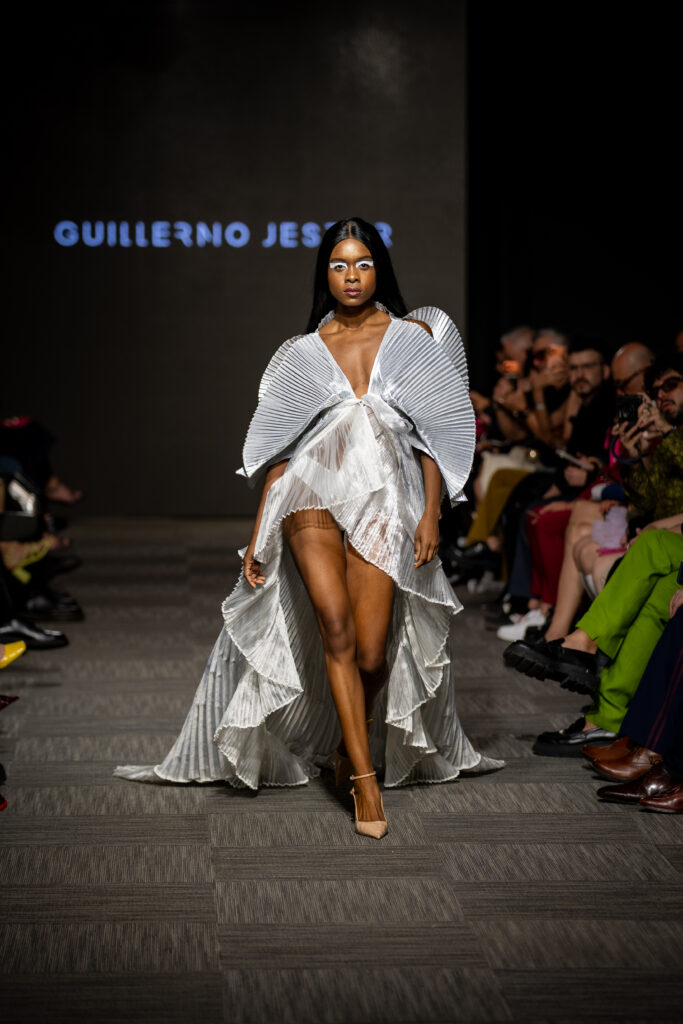
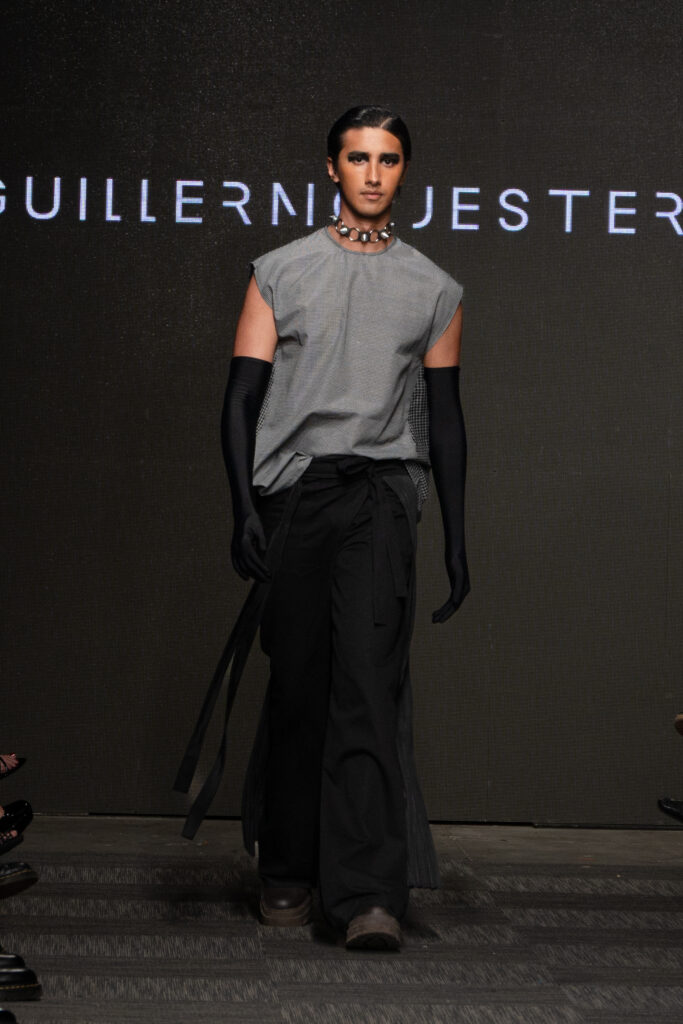
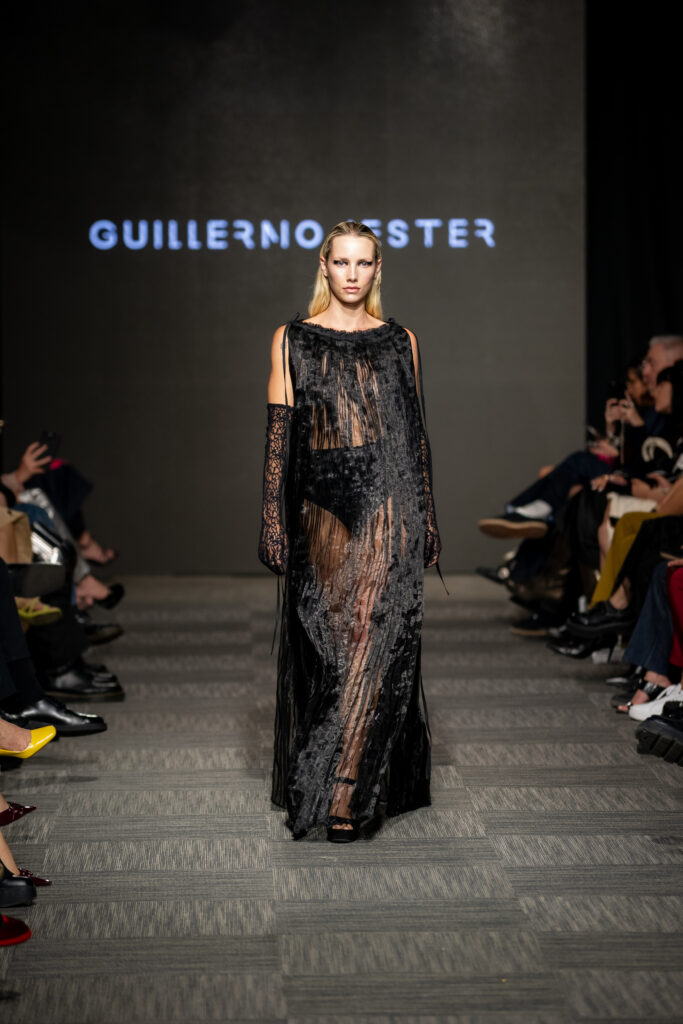
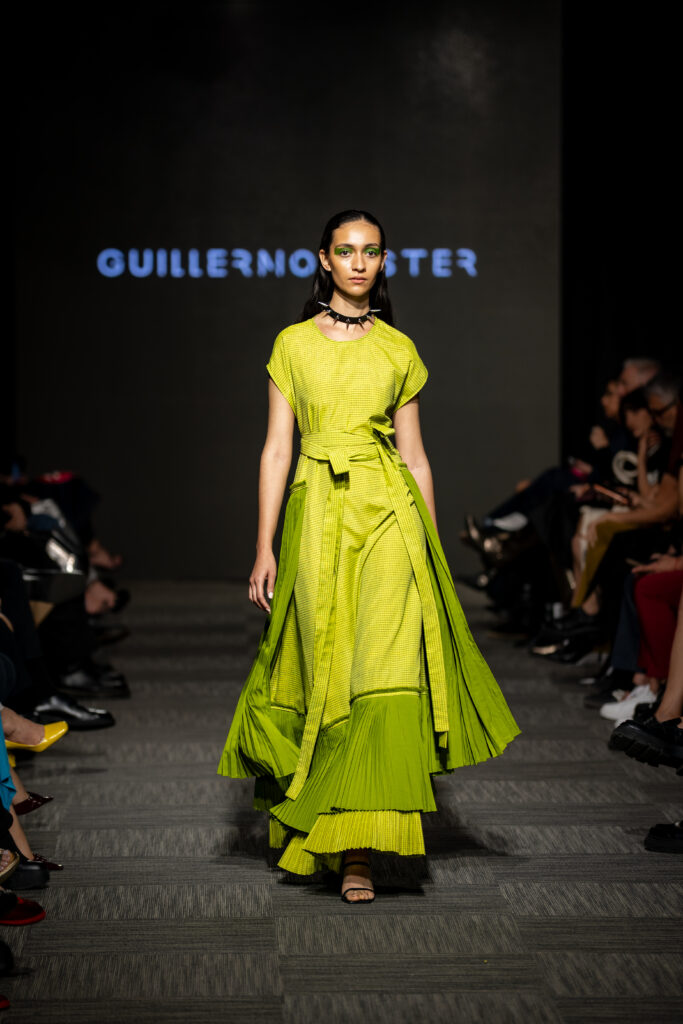
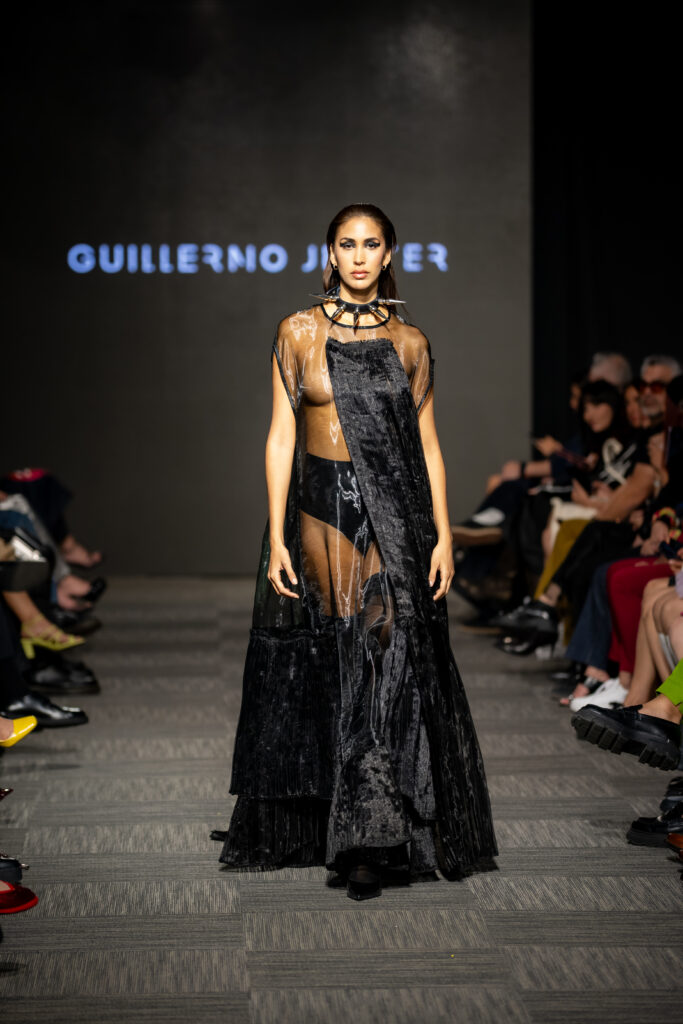
Guillermo: My latest collection is called Umbrales Latentes (Latent Thresholds), and it was inspired by the transitional moments we constantly experience—between one stage of life and another, between different versions of ourselves, and between tradition and contemporary culture.
One of the central elements of the collection is the apron, an everyday garment historically associated with labor and caregiving. I wanted to reinterpret it and transform it into the collection’s protagonist, turning it into dresses, capes, and new silhouettes that challenge its original meaning.
I also explored handcrafted pleating, transparency, and layering as metaphors for constant transformation. I wanted the garments to convey movement and change, almost as if they evolved alongside the person wearing them.
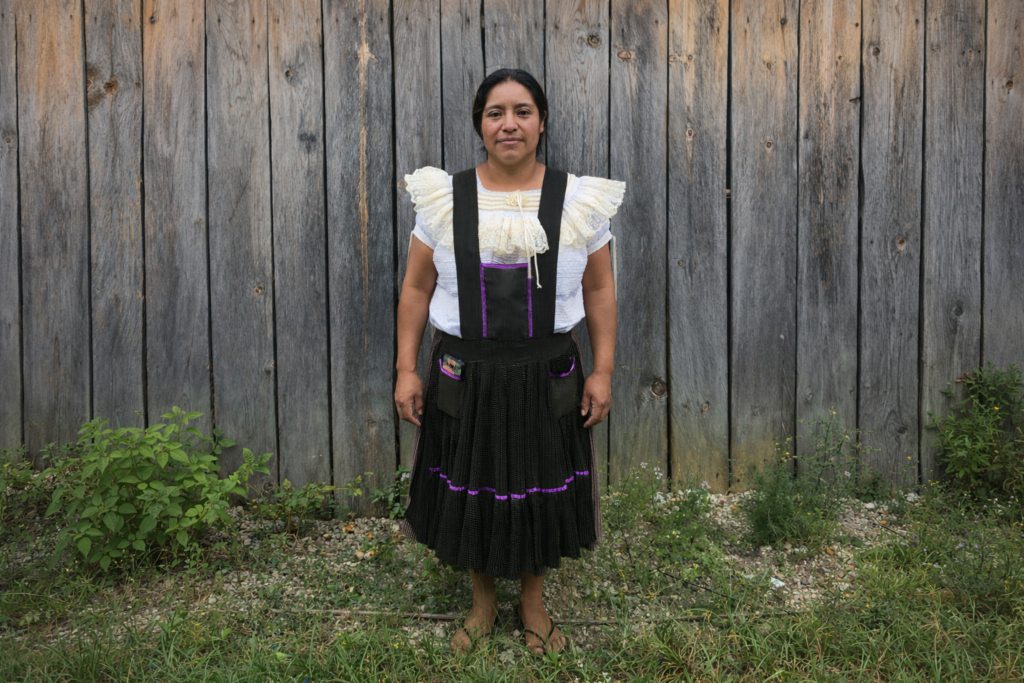
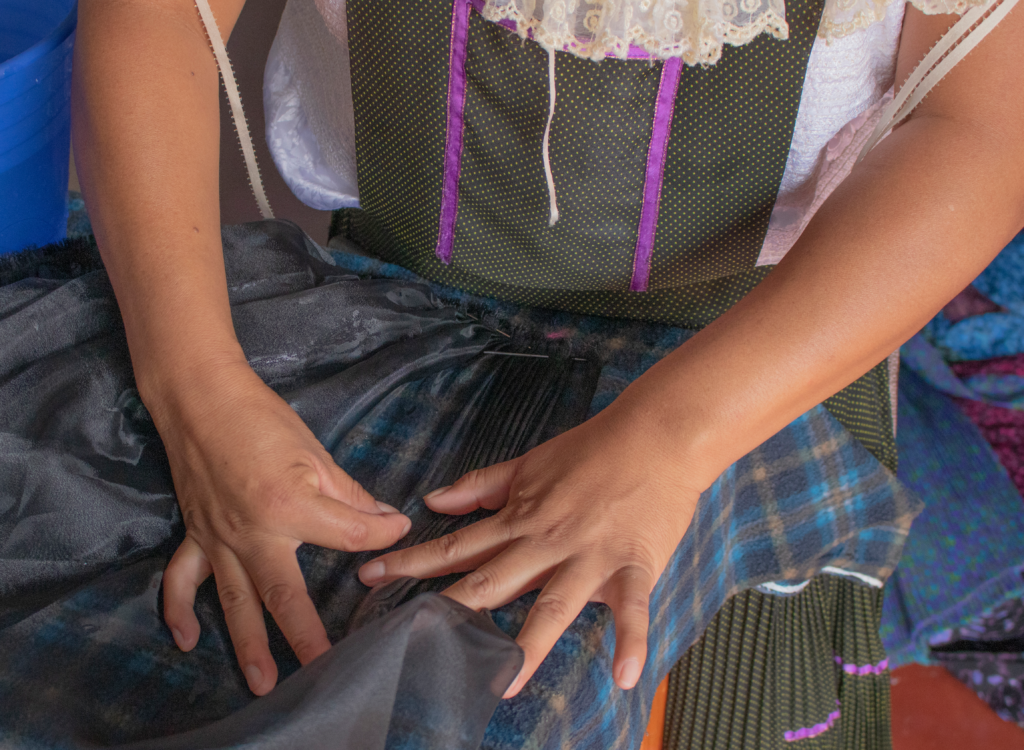
Beca: We’d love to hear about your work with artisan communities in Chiapas. How did this collaboration begin, and what does it involve?
Guillermo: I’ve been collaborating with artisan communities across different regions of Mexico for more than fifteen years. That journey eventually led me, four years ago, to co-found Dos Tierras alongside my partners, who are also artisans themselves.
Today, we collaborate with more than 200 artisans through projects for both national and international brands, developing textiles, objects, and collections that combine contemporary design with traditional craftsmanship.
Our role is to connect both worlds. On one hand, we understand the needs of brands, and on the other, we have a deep understanding of the processes, timelines, and knowledge that exist within artisan communities. This allows us to build projects where decisions are made collaboratively, agreements are transparent, and the value created is shared fairly among everyone involved.
For me, the greatest lesson has been understanding that innovation doesn’t always mean inventing something new. Very often, it means looking at existing knowledge from a different perspective and creating new possibilities from it. That’s precisely what Dos Tierras seeks to demonstrate: that craftsmanship and contemporary design can not only coexist, but truly enrich one another.
Beca: What is the DNA of Guillermo Jester as a brand?
Guillermo: I believe the brand’s DNA has evolved over the years, but today I would summarize it in four pillars:
- Experimentation, understood as the constant search for new ways to construct garments and creative processes.
- Contemporary craftsmanship, where traditional techniques engage in dialogue with a modern design language while preserving their essence.
- Transformation, through versatile garments that adapt and offer multiple ways of being worn.
- Timelessness, creating pieces that transcend trends and remain relevant because of both their design and the stories they tell.
Rather than following a specific aesthetic, my goal is to build a design language where every piece has a purpose and invites people to see fashion from a different perspective.
Beca: What’s your perspective on the Mexican fashion industry today?
Guillermo: I believe we’re living through a very exciting moment.
More and more designers are developing their own narratives instead of looking exclusively abroad for inspiration, while beginning to appreciate everything that already exists in our own country.
At the same time, we still face significant challenges: strengthening the local industry, professionalizing many of our processes, building stronger production chains, and recognizing artisanal work through relationships that are far more equitable and collaborative.
Mexico has enormous potential. The important thing is to continue building an industry that values both creativity and the people who make it possible.
Beca: To conclude the interview, what advice would you give to young people who aspire to become fashion designers?
Guillermo: Find your own voice.
Today, it’s very easy to compare yourself to others or chase trends, but in the end, what truly lasts is an authentic vision.
I’d also encourage them to stay curious. Travel, read, explore other disciplines, collaborate with different people, and understand that designing goes far beyond making clothes. Design is also about listening, researching, and learning continuously.
Beca: Finally, what has been the most valuable lesson the fashion industry has taught you?
Guillermo: That design never happens alone.
Behind every collection, there are pattern makers, seamstresses, artisans, photographers, stylists, clients, and countless people who make each project possible.
Understanding that has taught me that true luxury doesn’t exist solely in the finished object, but in the time, knowledge, and collective effort behind every single piece.