
A few days ago, I stumbled upon the Instagram profile of Maria Pena Lanzon, a fashion designer from Spain who lives in Mexico City, and I was immediately captivated by her talent. Her work caught my attention right away, and I knew I had to reach out and ask her for an interview.
Beca: How did your journey into fashion begin?
Maria: My relationship with fashion goes back as far as I can remember. As a child, I loved putting outfits together and playing with clothes—it was my way of expressing myself without even realizing it. But it wasn’t until 2022, when I started fashion school, that I decided to take it seriously and turn it into my professional path.
Beca: Do you remember the moment you knew you wanted to pursue a career in fashion?
Maria: Absolutely. When it came time to decide what I wanted to study, I had a conversation with someone who was already studying fashion, and that completely reassured me. I visited the university where I would later study, toured the workshops, sat in on classes, and in that moment I knew: this was exactly where I belonged. That was the day I chose to let go of my fears and pursue what I had always wanted, despite the uncertainty of whether I would be capable of achieving it.
Beca: Who were your earliest creative influences?
Maria: My parents. They are both architects, so I grew up surrounded by their creative perspective—watching how they observed space, form, and materials. That sensitivity naturally became part of the way I see the world as well.
Beca: How does the idea for a new collection or project usually begin?
Maria: Most of the time, it starts with a question, a doubt, or something personal that I feel compelled to understand. Design becomes the tool I use to explore those ideas. 9090KM, for example, was born from a question that has followed me since childhood. I grew up between Spain, where I was born, and Mexico, where I moved when I was ten years old, and living between those two worlds constantly made me question who I really was.
Beca: Do you have any creative rituals before you begin designing?
Maria: I wouldn’t say I have a specific ritual, but I deeply believe in the creative process itself—allowing ideas to develop in their own time instead of forcing them.
Beca: How would you describe your brand’s DNA in three words?
Maria: Symbolic. Experimental. Human.
Beca: What stories do you hope to tell through your designs?
Maria: I enjoy telling personal stories, but I want them to resonate with others as well. I hope my experiences become a mirror in which someone else can see themselves.
Beca: Tell us about your latest collection.
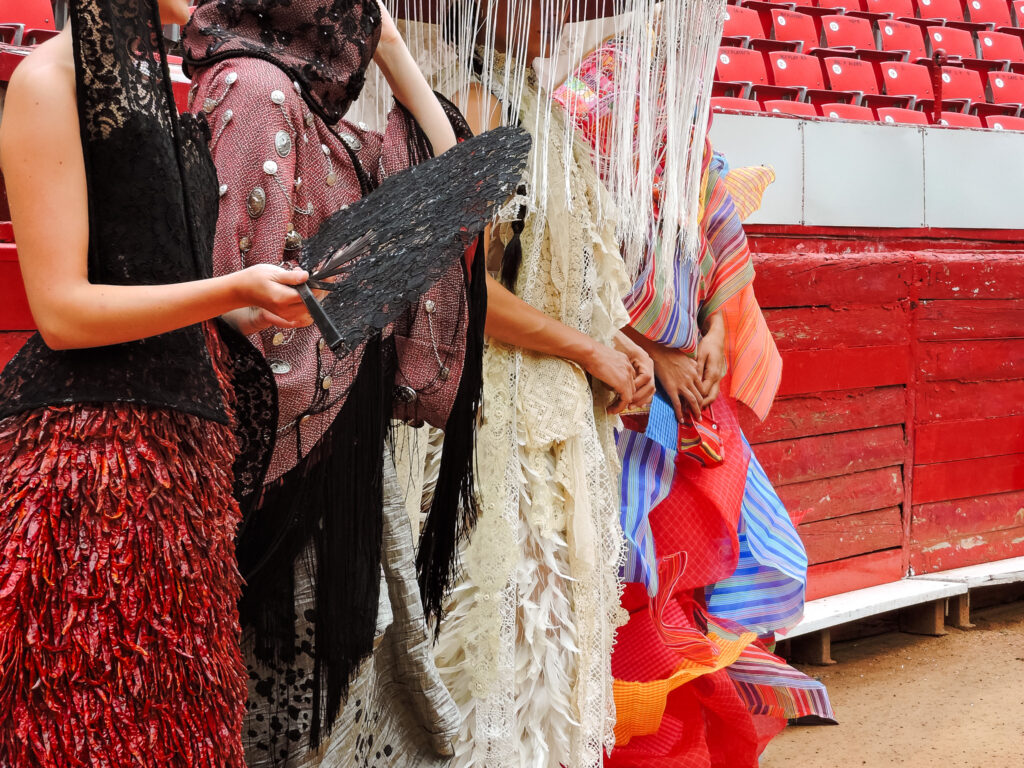
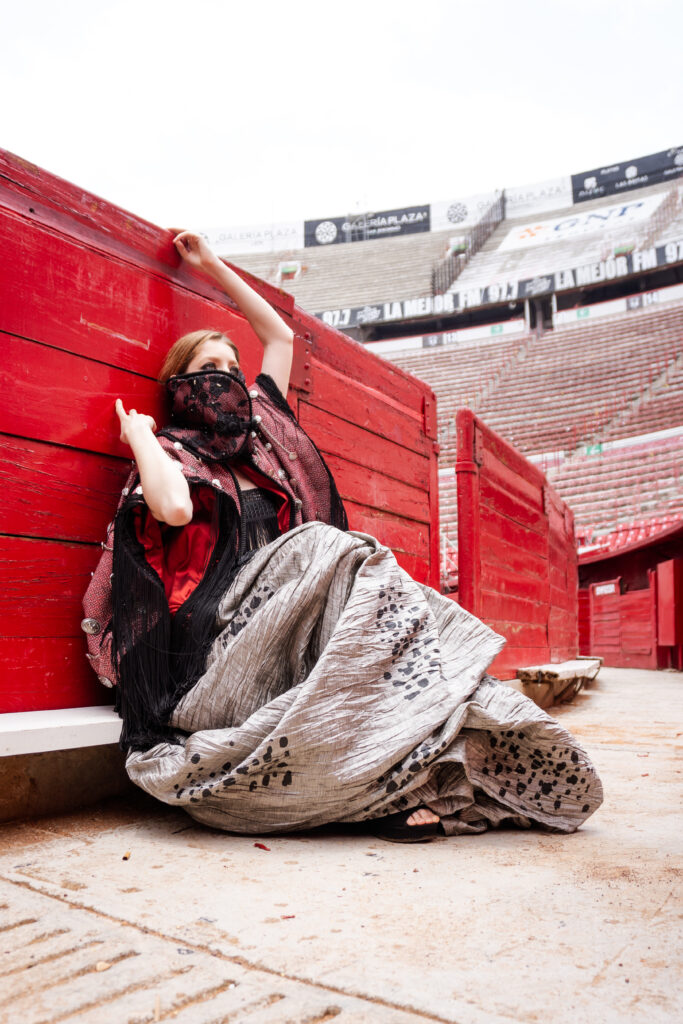
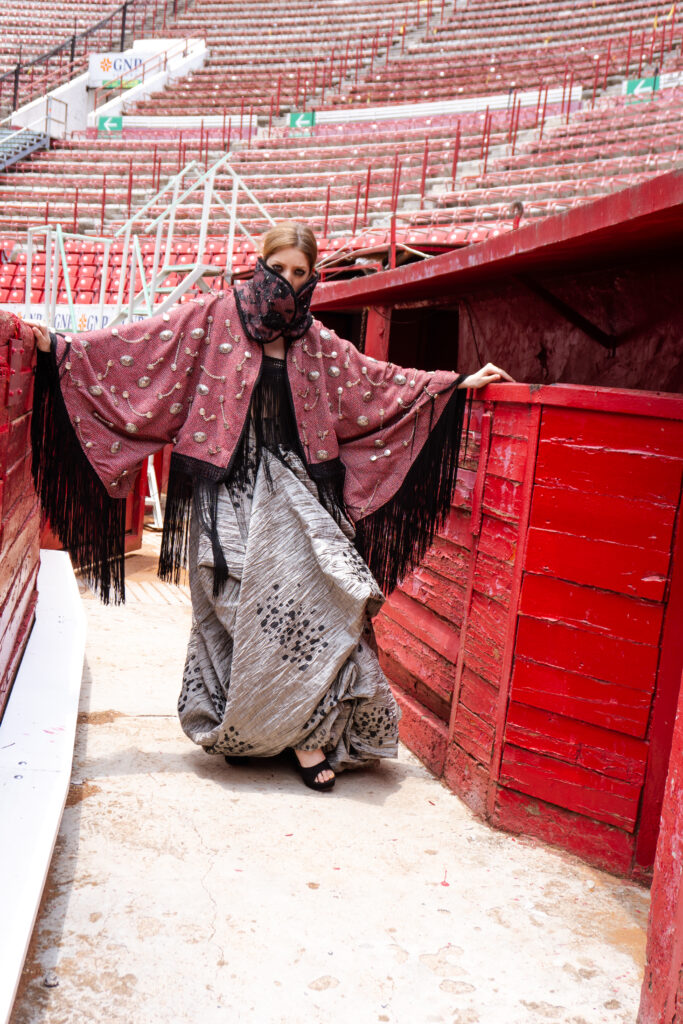
Maria: 9090KM is rooted in something deeply personal: growing up between two countries, two cultures, and two different ways of understanding the world. The title refers to the approximate distance between Spain, where I was born, and Mexico, where I moved at the age of ten and have lived ever since.
For a long time, I felt that I didn’t fully belong to either place. In Spain, I was “the girl who lived in Mexico,” while in Mexico, I was “the Spanish girl.” The collection grew out of that constant question of who I truly was.
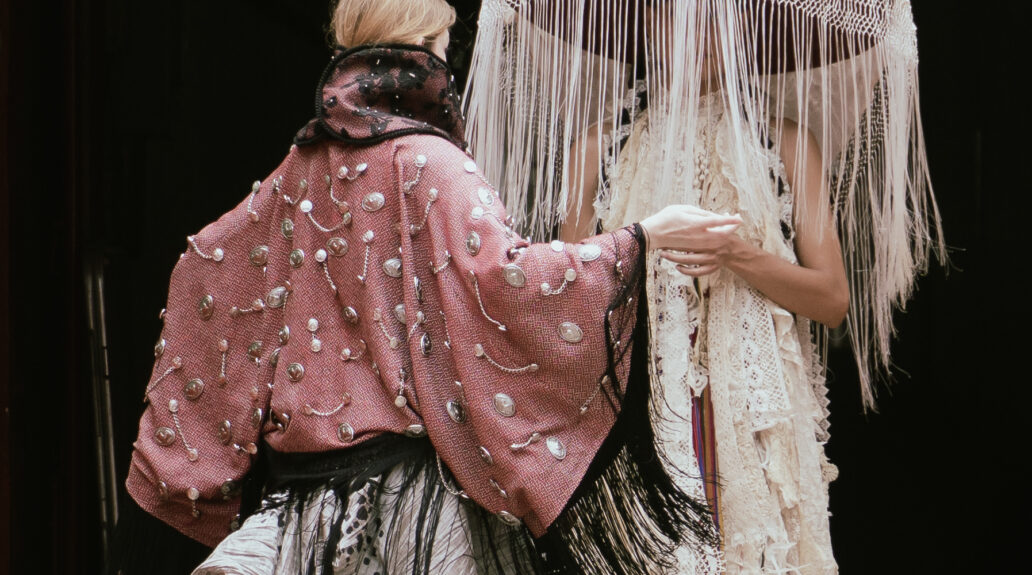
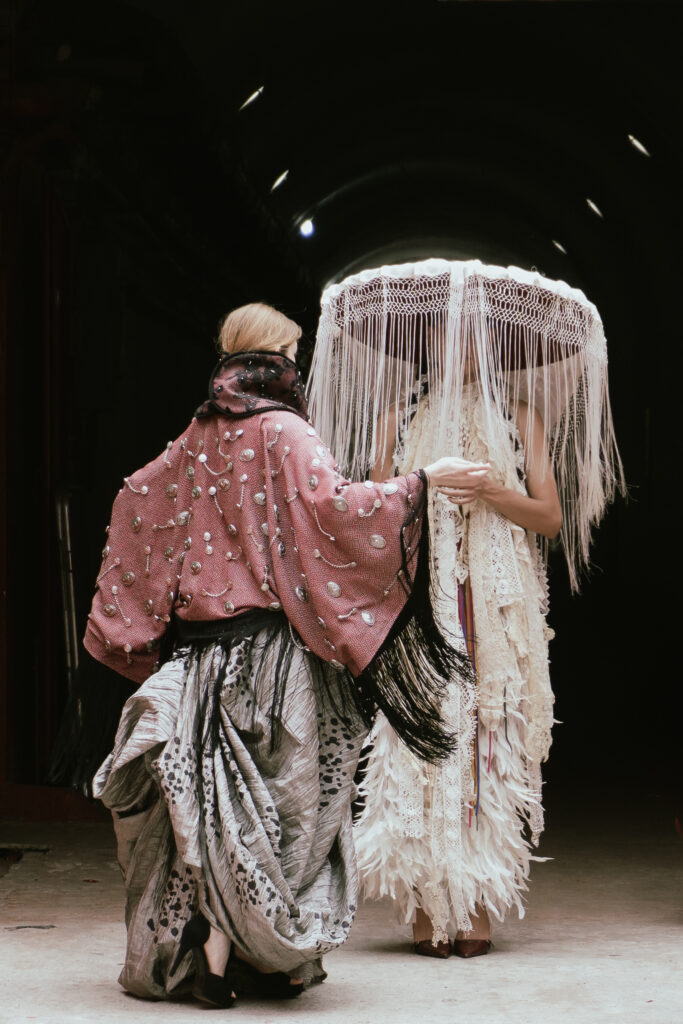
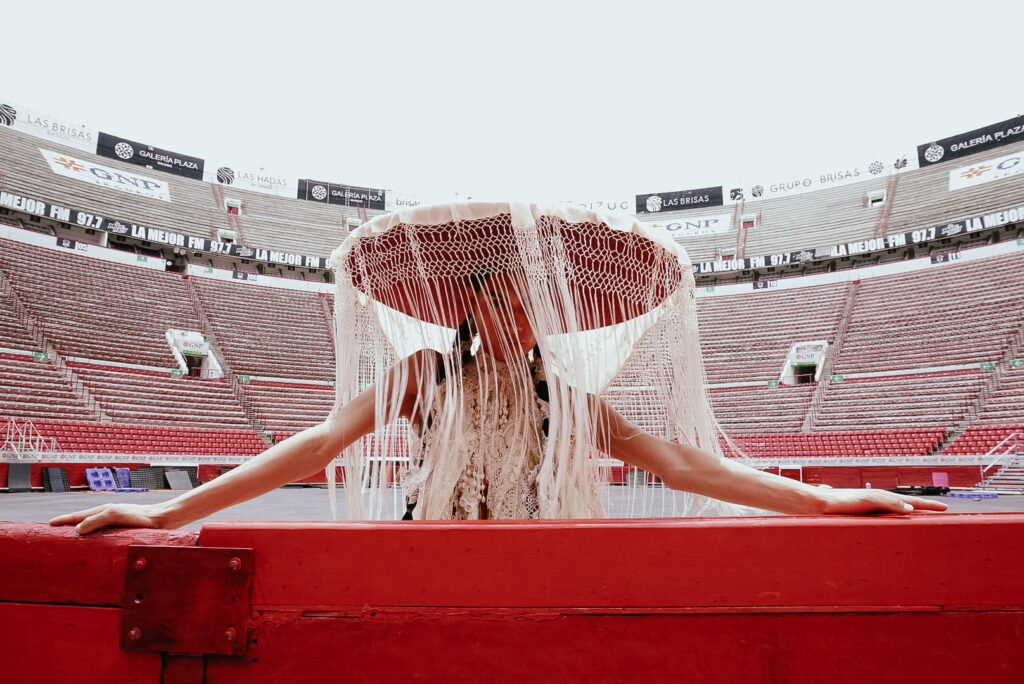
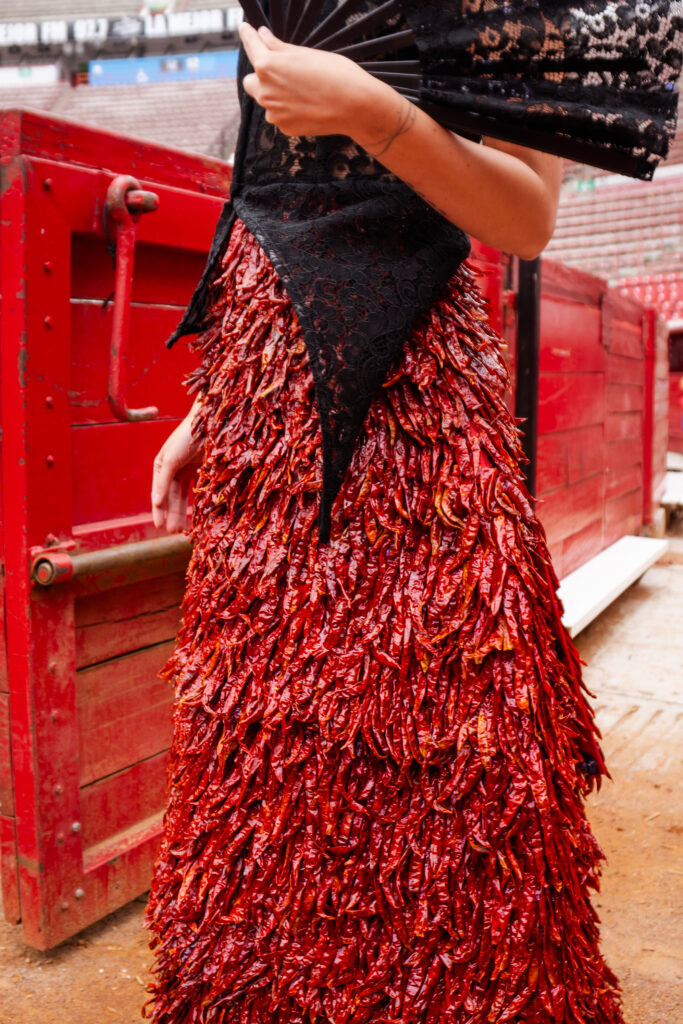
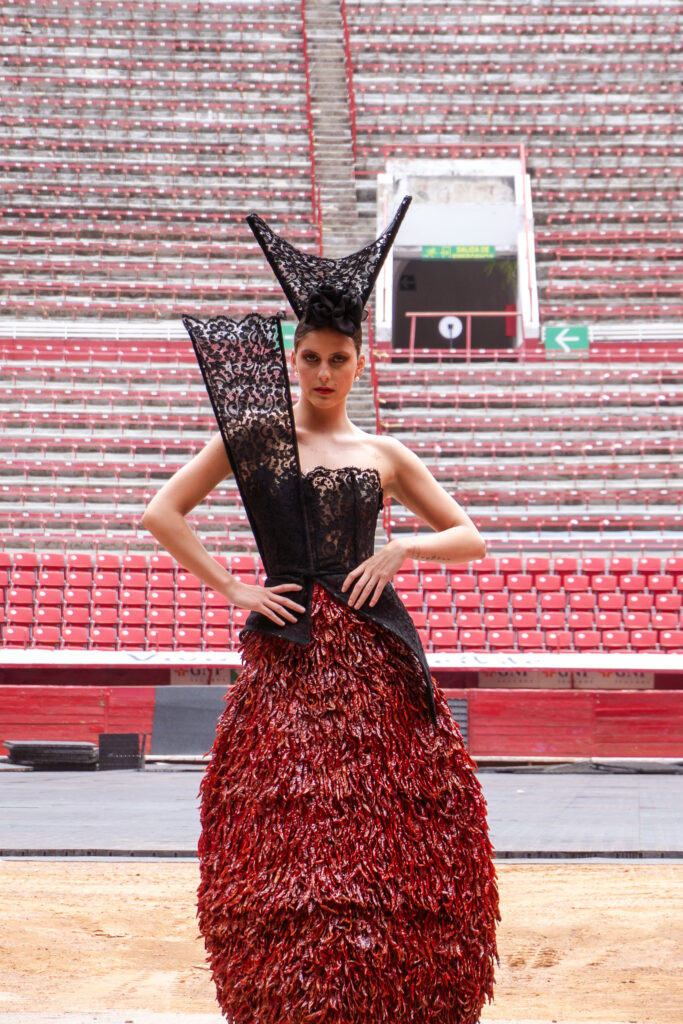
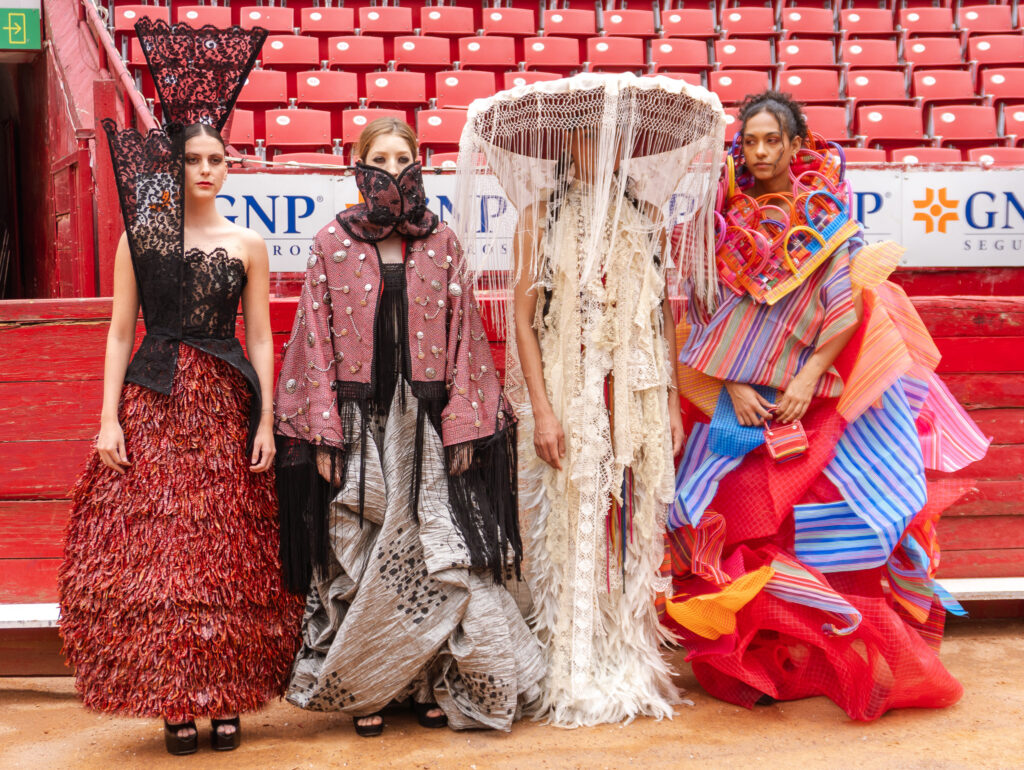
The collection consists of four looks, each representing an emotional stage of that journey. The first explores the cultural shock of arriving in a new country as a child. It features a skirt made from thousands of real dried chili peppers paired with a corset crafted from a mantón—a traditional Spanish shawl—passed down by my grandmother, allowing both cultures to coexist from the very beginning.
The second look represents the moment when Mexico stopped feeling unfamiliar and became home, featuring a jacket inspired by the traditional charro suit.
The third reflects the identity crisis that followed and the fear of losing my connection to Spain. For this look, I drew inspiration from Mexican tiliches—traditional garments made from layered fabric scraps—and combined them with lace inherited from my grandmother.
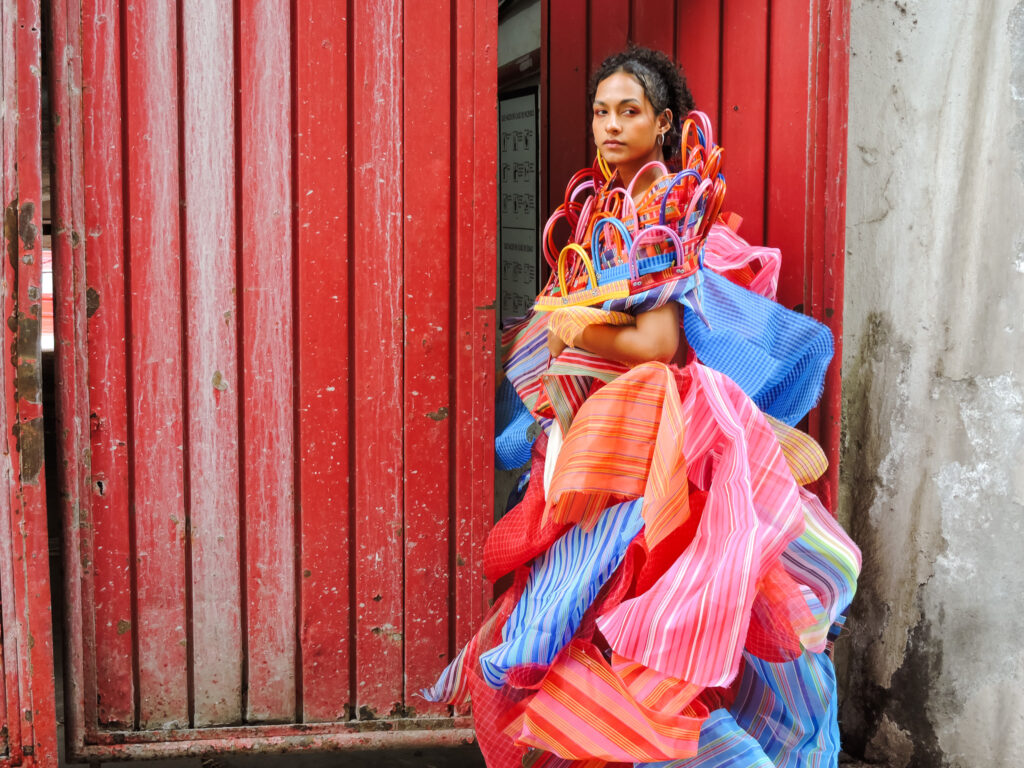
The final look represents acceptance. I developed a textile using woven Mexican market bags as a symbol that I no longer have to choose between one identity or the other. I am both at the same time.
More than telling my own story, I hope the collection resonates with anyone who has ever felt connected to two places, experienced migration, or had to rebuild their sense of identity. To me, fashion is a language that reminds us our roots do not disappear when a new culture enters our lives—they evolve, intertwine, and become something entirely new.
Beca: What has been the most rewarding moment of your career so far?
Maria: I think every time I completed a project, I felt an incredible sense of fulfillment and happiness. But if I had to choose one defining moment, it would be the day I presented my graduate collection.
Beca: And your biggest lesson?
Maria: Learning to do things on my own. Fashion school teaches you the foundations, but eventually everyone has to figure out how to develop their own project in their own way. That’s where you truly learn to trust your instincts and stand by your decisions, even when you don’t know what the outcome will be.